If you own or manage a building in New York City, understanding boiler inspection requirements is essential for staying compliant with local laws. Annual boiler inspections are not just a formality—they are a legal obligation enforced by the NYC Department of Buildings (DOB) to ensure safety, efficiency, and proper system operation.
Missing an inspection deadline or filing incorrect documentation can lead to violations, operational risks, and unnecessary complications. This guide explains everything you need to know about NYC boiler inspections, including who needs them, when they’re required, and how to stay compliant year after year.
What Is a Boiler Inspection in NYC?
A 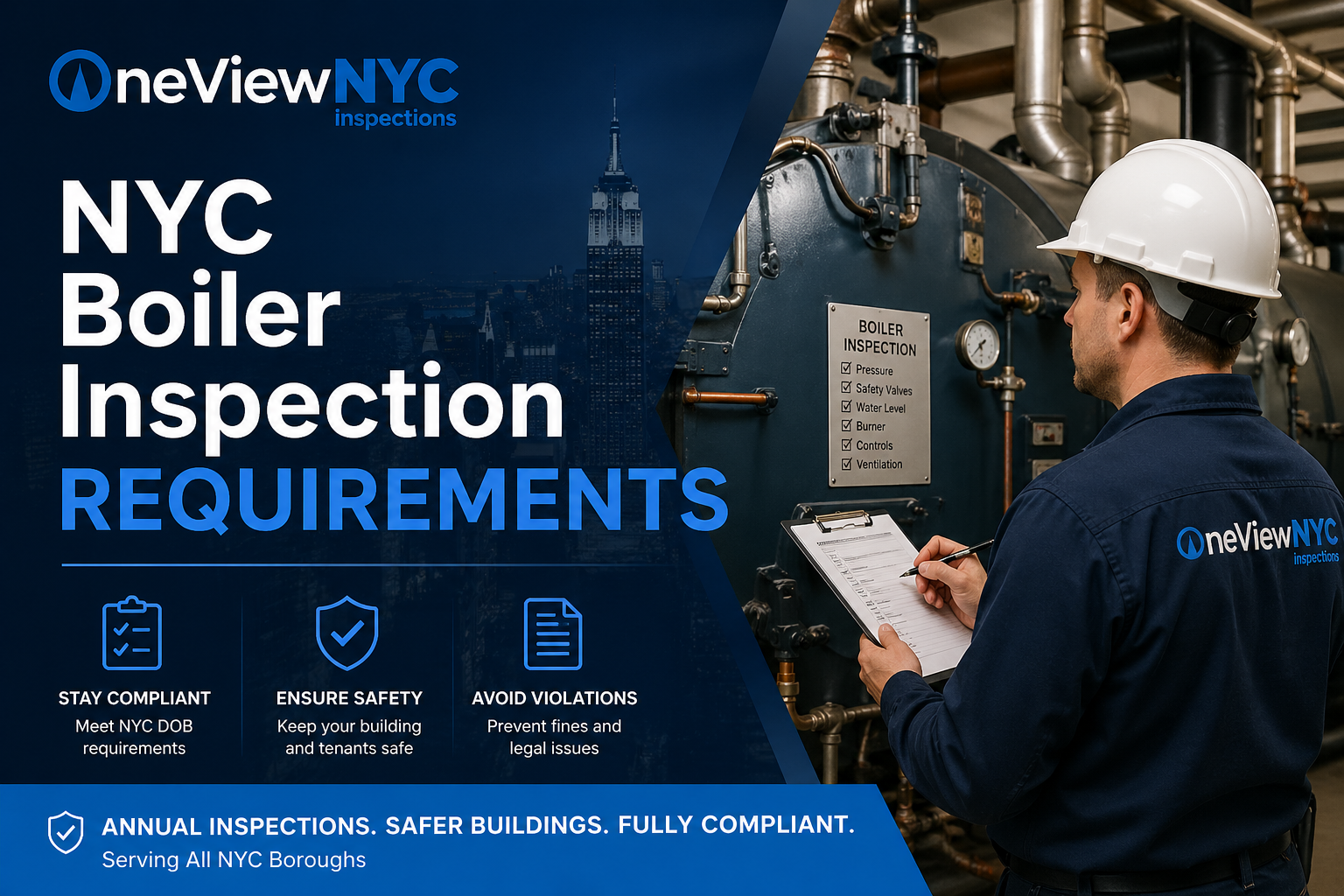 boiler inspection is a detailed evaluation of your heating system performed by a licensed professional. The goal is to ensure that your boiler operates safely and meets all NYC DOB compliance standards.
During the inspection, critical components are checked, including:
- Pressure controls
- Safety valves
- Water levels
- Burner operation
- Overall system condition
These inspections help identify potential hazards early and ensure your system is functioning correctly.
Who Needs an Annual Boiler Inspection in NYC?
In New York City, most buildings with boilers are required to undergo annual inspections. This typically includes:
- Residential buildings with multiple units
- Commercial properties
- Mixed-use buildings
- Institutional properties
If your building uses a boiler for heating or hot water, there’s a strong likelihood that it falls under NYC inspection requirements.
NYC Boiler Inspection Deadlines
Boiler inspections in NYC must be completed within a specific annual timeframe:
- Inspection Window: January 1 – December 31
- Filing Deadline: Typically shortly after inspection completion
It’s important not to wait until the end of the year. Scheduling early helps avoid delays, ensures availability, and allows time to address any issues discovered during the inspection.
Types of Boiler Inspections
NYC generally requires two main types of inspections depending on the system:
Low-Pressure Boiler Inspection
Common in residential buildings, these systems require an annual inspection to verify safe operation.
High-Pressure Boiler Inspection
Typically found in larger or commercial buildings, these systems may require more detailed evaluations and additional oversight.
Understanding which category your system falls into is critical for proper compliance.
What Happens During a Boiler Inspection?
A professional boiler inspection follows a structured process to ensure all components meet safety standards.
Key Steps Include:
Visual Inspection Checking for leaks, corrosion, and visible wear.
Operational Testing Ensuring controls, burners, and safety devices function correctly.
Safety Verification Testing pressure relief valves and emergency shut-off systems.
Documentation Review Confirming previous records and system compliance history.
After the inspection, a report is generated and submitted to the NYC DOB.
Why Boiler Compliance Matters
Staying compliant with NYC boiler regulations is not just about following rules—it directly impacts safety and building performance.
Key Benefits:
- Protects tenants and occupants
- Reduces risk of system failure
- Ensures efficient heating performance
- Maintains legal compliance
- Avoids unnecessary violations
Regular inspections also extend the lifespan of your boiler system and help detect small issues before they become major problems.
Common Mistakes Property Owners Make
Many building owners unintentionally fall out of compliance due to avoidable mistakes.
1. Waiting Until the Last Minute
Delaying inspections can lead to scheduling challenges and rushed filings.
2. Missing Documentation
Incomplete or incorrect filings can result in compliance issues.
3. Ignoring Minor Issues
Small problems identified during inspections should be addressed promptly.
4. Lack of Tracking
Failing to track annual deadlines often leads to missed inspections.
How to Stay Compliant Year After Year
Maintaining compliance doesn’t have to be complicated. A structured approach can simplify the entire process.
Best Practices:
- Schedule inspections early each year
- Keep digital and physical records organized
- Work with experienced inspection professionals
- Set reminders for annual deadlines
- Address issues immediately after inspection
Consistency is key when it comes to compliance.
NYC Boiler Inspection FAQs
How often are boiler inspections required in NYC?
Boiler inspections are required annually for most buildings.
Who can perform a boiler inspection?
Only licensed and qualified professionals authorized to conduct NYC inspections.
What happens after the inspection?
A report is filed with the NYC Department of Buildings confirming compliance status.
What if issues are found?
Any identified problems should be addressed promptly to maintain compliance.
Final Thoughts
NYC boiler inspections are a critical part of building ownership and management. Staying compliant ensures safety, avoids complications, and keeps your property operating efficiently throughout the year.
By understanding the requirements, scheduling inspections on time, and working with experienced professionals, you can simplify the process and maintain full compliance without stress.
Call to Action
Stay ahead of NYC boiler regulations with reliable inspection support.
Schedule your boiler inspection today and keep your building compliant year-round.